
Table of Contents
- Why Seniors Need Alternatives to Allied MedCor
- Medical Equipment for Seniors: What You Actually Need
- Medical Equipment Rental for Seniors: Rent vs. Buy
- Try Before You Buy Medical Equipment: The Smart Approach
- Medical Supply Stores for Seniors: How to Evaluate Your Options
- What to Ask Before Choosing Your Medical Equipment Provider
- Making the Right Choice for Your Independence
- Frequently Asked Questions
Last Updated: October 5, 2026
Why Seniors Need Alternatives to Allied MedCor
Finding the right medical equipment provider matters more than most seniors realize. Your choice affects not just comfort, but independence, safety, and how well equipment actually fits your life. At Med-Tech Inc, we understand that one-size-fits-all solutions rarely work for seniors managing mobility challenges, recovery from surgery, or chronic conditions requiring daily living aids. (Source: the Centers for Medicare & Medicaid Services (CMS) guidelines)
The problem isn’t that any specific provider is bad. It’s that seniors deserve options. Some providers excel at equipment selection but lack local support. Others offer rentals but push you toward purchase before you’re ready. A few have limited inventory or staff who don’t take time to understand your specific situation. When you’re choosing between a walker, scooter, or lift chair, or deciding whether to rent hospital beds and safety equipment, settling for the first option you find can cost you thousands in wasted purchases or compromise your independence.
This guide walks you through what seniors actually need, how to evaluate your alternatives for seniors, and the questions that separate a good medical equipment provider from one that truly fits your life.
Medical Equipment for Seniors: What You Actually Need
Most seniors don’t need every product in a medical supply catalog. They need the right ones.
Start by identifying your actual situation. Are you recovering from surgery or illness? Managing a chronic condition like arthritis or COPD? Struggling with balance or mobility? Each scenario points toward different equipment priorities.
Mobility aids come first for most seniors. Walkers, canes, and scooters address the most common limitation: getting around safely. A manual walker works for short distances indoors.
Hospital beds and bed safety equipment prevent falls and make caregiving easier. A low bed reduces the distance you have to step down. Bed rails and safety rings give you something to grip when getting up.
Lift chairs and power lift recliners solve a real problem: getting out of a chair becomes harder with age and arthritis. These chairs use motorized lifting to help you stand, reducing strain on knees and back.
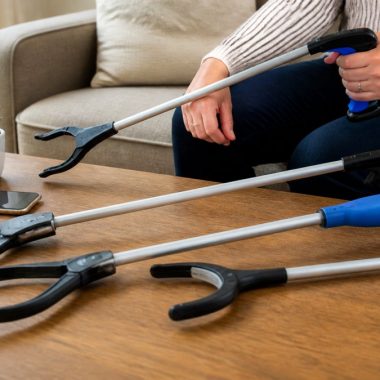
Daily living aids fill the gaps. Reaching tools, button hooks, sock aids, and other adaptive equipment let you manage personal care independently. Diagnostic equipment like blood glucose monitors and CPAP devices manage chronic conditions at home.
The mistake most seniors make is buying equipment before testing it. A scooter that doesn’t fit through your doorways is expensive deadweight. A walker that’s the wrong height causes back pain.
Medical Equipment Rental for Seniors: Rent vs. Buy
The rent-versus-buy decision trips up most seniors. Here’s the reality: sometimes renting is smarter. Sometimes buying is. The answer depends on your timeline and budget.
Rent when you’re uncertain or recovering. If you’re healing from surgery, you might need equipment for six weeks or six months. Renting lets you test whether a specific product actually works in your home without committing thousands of dollars. You avoid the storage problem too. Once you’re better, the equipment goes back.
Rent when you need to try before deciding. A mobility scooter that looks perfect in a showroom might not fit your apartment layout or your lifestyle. A lift chair might feel awkward in your living room. Renting for two weeks costs far less than buying and then discovering it doesn’t work for you.
Buy when you know what you need and expect to use it long-term. If arthritis means you’ll always need a walker, buying makes sense. A hospital bed for end-of-life care, a CPAP device for sleep apnea, daily living aids you use every day, these justify purchase.
The hidden cost of buying wrong is steep. You’re out the full price. You’re stuck with equipment that doesn’t serve you. You’re paying to store or dispose of it. Seniors on fixed incomes can’t absorb that loss easily.
Med-Tech Inc’s approach to this problem is straightforward: try before you buy with short-term rentals. Short-term rentals let you test equipment in your actual home, with your actual layout, your actual needs. Once you know it works, you can purchase the same model or rent it longer. No surprises. No waste.
Try Before You Buy Medical Equipment: The Smart Approach
This strategy solves the biggest risk in medical equipment decisions: buying something that doesn’t work for your situation.
The try-before-you-buy process works like this. You identify equipment you think might help. You rent it for a short period, usually two to four weeks. You use it in your home, in your daily routine. You discover what actually works and what doesn’t. Then you decide whether to buy, rent longer, or try something different.
What most guides skip is the specifics. A mobility scooter rental isn’t just about testing whether you like riding it. It’s about checking doorway widths, hallway turns, outdoor terrain you actually travel. It’s about discovering whether your apartment’s electrical outlets work for charging.
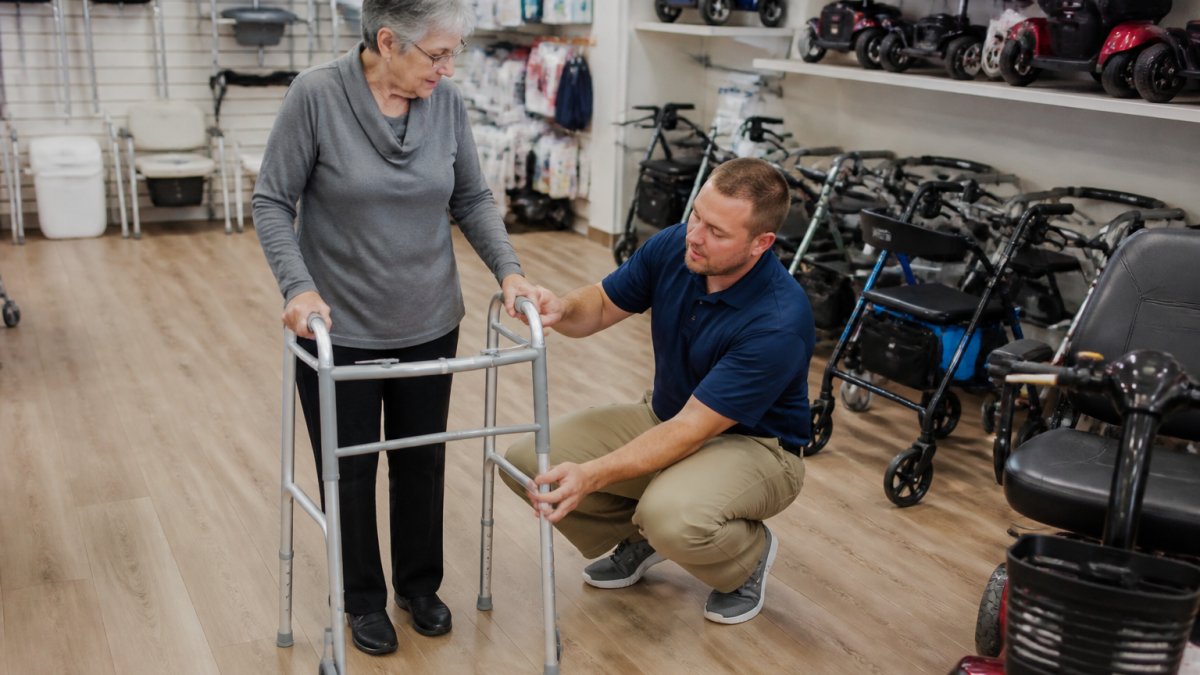
A walker rental reveals whether the height is right for your posture, whether the grip feels natural, whether the weight is manageable for your arms. A lift chair rental shows whether the recline angle works for your back, whether the armrests are the right height, whether the motor speed feels safe.
Diagnostic equipment like blood glucose monitors or CPAP devices benefit from this approach too. You might rent a CPAP for a week to see whether the mask fits comfortably, whether the air pressure feels right, whether you can sleep with it. That week of testing prevents buying a device you’ll abandon in your closet.
The cost of renting is a fraction of buying. Test equipment for a trial period, and you’ve eliminated the risk of a costly mistake.
Medical Supply Stores for Seniors: How to Evaluate Your Options
Not all medical supply stores are the same. Some are staffed by people who understand senior needs. Some treat medical equipment like retail inventory. Some have deep product selection. Some stock basics only.
When evaluating your alternatives for seniors, look for these markers of quality.
Inventory depth matters. A store with 6,000 products in stock can match you with equipment that fits your specific situation. A store with 200 items offers limited choices. You want options, not compromise.
Staff knowledge is non-negotiable. Can the staff ask good questions about your situation? Do they listen, or do they push you toward their most profitable items? A good staff member asks about your home layout, your strength, your budget, your timeline.
Try-before-you-buy availability changes everything. If a store offers short-term rentals, you can test equipment in your home before buying. This eliminates the single biggest source of buyer’s remorse in medical equipment.
Preferred partnerships with major manufacturers matter. Stores that work directly with brands like Nova, Pride Mobility, and Golden Technologies often have better selection, faster repairs, and stronger support. These partnerships signal that the store is trusted by the manufacturers themselves.
Local presence and service support are critical. A store with multiple showrooms in your area can serve you faster. When equipment needs adjustment or repair, local support means days, not weeks.
Insurance and Medicare coordination. Does the store handle insurance claims? Do they understand Medicare coverage? A store that manages the paperwork saves you hours of frustration. A store that requires you to sort out insurance yourself is adding friction to an already complex process.
What to Ask Before Choosing Your Medical Equipment Provider
The right questions reveal whether a provider understands your needs or just wants your money.
Start with your specific situation. Describe your limitation or recovery clearly. If you say “I have arthritis,” ask whether the staff can recommend equipment that addresses hand grip strength specifically, or whether they give generic suggestions. If you’re recovering from hip surgery, ask whether they’ve worked with other post-surgical patients and what equipment most people find helpful.
Ask about their rental process. How long can you rent? Can you apply rental cost toward purchase? What happens if equipment breaks during your rental? A good provider makes renting easy and transparent. A provider that makes renting complicated is signaling that they’d rather you buy now and regret later.
Ask about their staff training. How do they teach people to use equipment safely? Do they offer follow-up support? A staff member who spends 15 minutes showing you how to adjust a walker is more valuable than one who hands it to you and says “good luck.”
Ask about their service network. If equipment breaks, how fast can they repair it? Do they have loaner equipment while yours is being fixed? For seniors, a broken mobility aid isn’t an inconvenience, it’s a barrier to independence.
Ask about insurance and Medicare. Do they file claims? Do they know what Medicare covers and what it doesn’t? Do they explain costs upfront, or do surprise bills appear later? Transparency here matters enormously.
Ask for references from other seniors. Real customers reveal what a provider is actually like, not what their marketing claims.
Making the Right Choice for Your Independence
Choosing a medical equipment provider is choosing a partner in your independence. The right choice gives you equipment that works, support when you need it, and confidence that you’ve made a sound decision.
Med-Tech Inc brings together the elements that matter most to seniors. We carry over 6,000 products in stock, so your alternatives for seniors include genuine choices, not compromises. Our knowledgeable staff takes time to understand your specific situation, your home layout, your strength, your needs, rather than pushing generic solutions. We offer try-before-you-buy rentals so you can test equipment in your actual home before committing thousands of dollars.
We work as preferred vendors with leading manufacturers like Nova, Pride Mobility, and Golden Technologies. That partnership means better selection, faster support, and equipment you can trust. Our multiple showrooms across Southern Arizona mean local service and quick repairs when you need them.
The questions you ask matter. The staff who take time to listen matters. The ability to rent first and buy with confidence matters. These are the differences between settling for adequate equipment and finding solutions that genuinely support your independence.
Choosing medical equipment shouldn’t mean choosing between affordability and quality, or between testing and speed. We’re committed to helping you maintain independence with equipment that truly fits your life. Medicare coverage for durable medical equipment can help you understand what insurance may cover, and our team can guide you through the paperwork.
Frequently Asked Questions
What medical equipment do seniors most commonly use at home?
The most frequently used medical equipment for seniors includes mobility aids like walkers and wheelchairs, hospital beds with safety rails, lift chairs for easy standing, oxygen therapy equipment for respiratory conditions, and daily living aids such as reachers and bath safety equipment. Your specific needs depend on your mobility level, living space, and health conditions. A qualified medical equipment specialist can assess your home environment and recommend what actually fits your situation rather than suggesting generic products.
Is it better to rent or buy medical equipment for seniors?
Renting makes sense for temporary needs after surgery or during recovery, while purchasing is better for long-term conditions. Rental costs less upfront and eliminates maintenance concerns, but purchases offer better value over time if you need equipment for years. Many seniors find renting mobility scooters or hospital beds first helps them determine whether the equipment truly works in their home before committing to a purchase. Ask your provider about try-before-you-buy programs to test equipment in your actual living space.
Where can seniors try medical equipment before making a purchase decision?
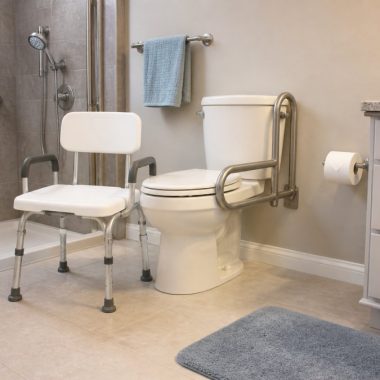
Medical supply stores with physical showrooms allow you to test equipment in person, which is critical for mobility aids and lift chairs. Look for providers offering short-term rental programs specifically designed to let you use equipment in your home for a trial period. This approach reveals real-world fit issues like doorway clearance for scooters or whether a walker feels natural to your grip strength. Avoid buying expensive equipment sight-unseen online without testing it first in your actual living environment.
What should I compare when choosing a medical supply store for seniors?
Evaluate stores based on inventory depth (do they stock over 6,000 products?), staff expertise in senior mobility and daily living aids, whether they offer try-before-you-buy rental programs, their relationships with manufacturers like Pride Mobility and Golden Technologies, and their insurance acceptance including Medicare. Ask about their experience fitting equipment to specific home layouts and mobility limitations. Check whether they provide installation and ongoing support if adjustments are needed. Customer reviews mentioning personalized service and follow-up care matter more than price alone.