Table of Contents
- Types of Medical Equipment Available for Rent
- Understanding Durable Medical Equipment Rental Options
- Hospital Bed Rental Cost and Setup Considerations
- Short-Term Medical Equipment Rental for Recovery
- Insurance and Medicare Coverage for Equipment Rentals
- Repair, Maintenance, and Equipment Safety Standards
- Why Try-Before-You-Buy Matters for Equipment Selection
- Frequently Asked Questions
Last Updated: September 21, 2026
Types of Medical Equipment Available for Rent
Medical equipment rental in Tucson provides access to quality durable medical equipment without purchase commitment, from mobility aids to respiratory support systems, for surgery recovery, chronic condition management, or aging parent care. (Source: the U.S. Department of Health and Human Services)
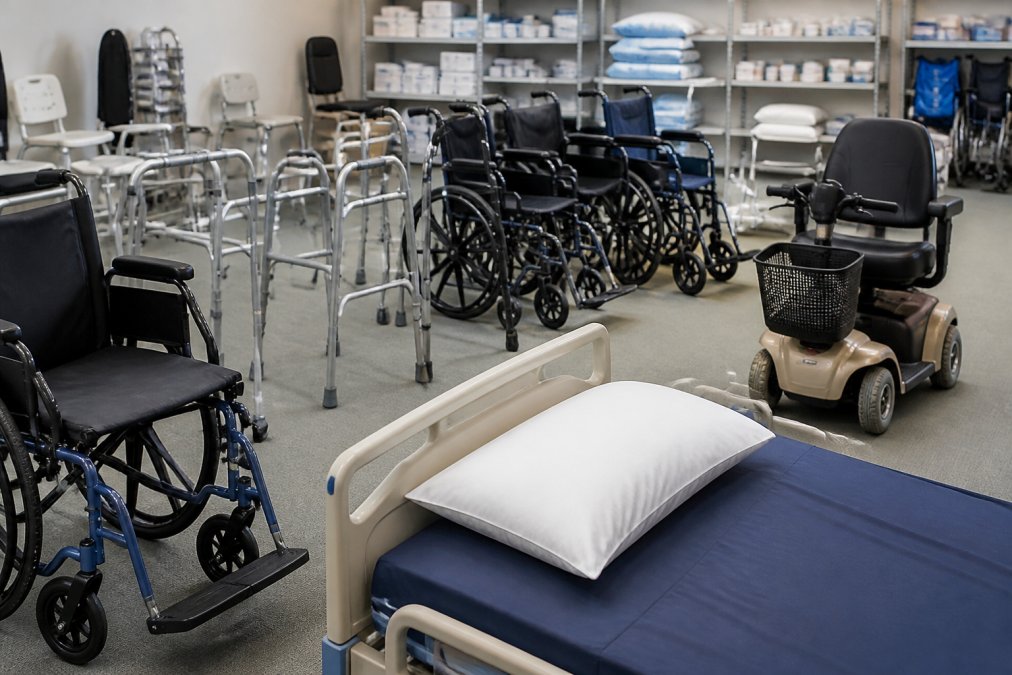
Med-Tech Inc stocks over 6,000 products. Test equipment through short-term rentals before buying, eliminating the risk of investing thousands in equipment that doesn’t fit your space or lifestyle.
Mobility Aids and Scooters
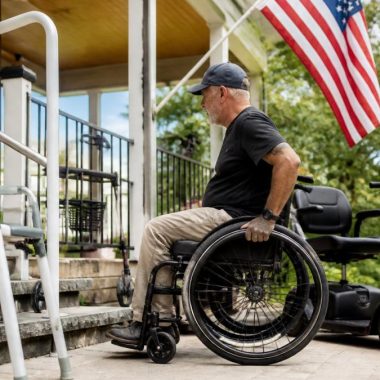
Power scooters, walkers, canes, and wheelchairs are the most commonly rented mobility aids. Power scooters suit longer distances for those who tire easily; standard walkers help with balance issues during short trips.
The critical question is which fits your actual environment. A mobility scooter that doesn’t fit through doorways becomes expensive furniture. Rental periods let you identify layout barriers without financial loss.
Manual wheelchairs suit those with upper body strength or available caregivers; powered wheelchairs suit those with limited arm strength or longer distances.
Respiratory and Oxygen Equipment
Oxygen concentrators and nebulizers support COPD, asthma, and other respiratory conditions. Concentrators deliver prescribed oxygen levels; nebulizers convert liquid medication into inhalable mist. Both require proper setup and training.
Renting respiratory equipment lets you confirm it works with your routine before purchase. Portable models suit active individuals; stationary models suit home-based users. The provider handles maintenance during rental, eliminating repair stress.
Home Care and Daily Living Aids
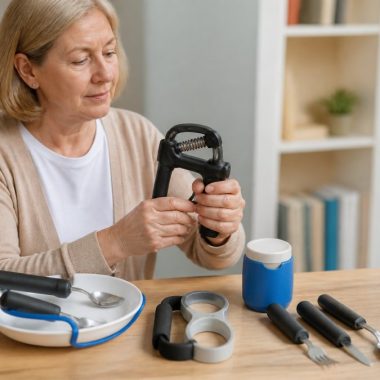
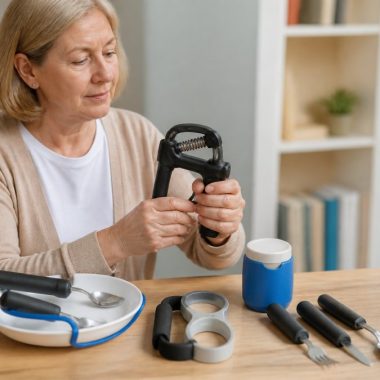
Shower chairs, toilet seat raisers, grab bars, and reaching tools prevent falls and reduce joint strain. A shower chair transforms bathing from risky to safe.
Hospital beds with adjustable heights reduce caregiver strain and improve comfort. Bed rails, mattress overlays, and bedside commodes complete the setup. Rentals let you test which accessories genuinely help.
Understanding Durable Medical Equipment Rental Options
Durable medical equipment rental serves different purposes depending on your situation. Whether you’re recovering from a specific event or managing ongoing needs, understanding your rental options prevents overspending on equipment you’ll outgrow quickly.
Short-Term vs. Long-Term Rentals
Short-term medical equipment rental spans days to months for post-surgical recovery or acute illness. This costs less than purchasing equipment used for only six weeks.
Long-term rentals suit chronic conditions, spreading costs across monthly payments. Rental flexibility prevents being locked into equipment that no longer serves you as conditions progress.
Med-Tech Inc provides information on rental versus purchase options so you can make an informed choice for your timeline.
Delivery and Installation Services
Proper setup prevents safety risks. Oxygen equipment needs ventilation and electrical access; mobility aids must be adjusted to your height and strength.
Professional technicians position equipment for safety and function, then walk you through operation and maintenance, preventing assembly frustration and incorrect use.
Hospital Bed Rental Cost and Setup Considerations
Hospital beds serve post-surgery recovery and mobility limitations. Adjustable height eases transfers; head and foot positioning helps breathing, circulation, and pressure relief.
Setup requires floor space, electrical access, and caregiver clearance. Testing in your actual room prevents discovering fit problems after delivery.
Rental costs depend on features and duration. Basic manual beds cost less than advanced models. Renting lets you confirm your provider’s recommendations match your real-world situation.
Short-Term Medical Equipment Rental for Recovery
Post-surgical recovery requires equipment used intensively for weeks, then rarely again. A walker becomes unnecessary after weight-bearing clearance; a shower chair helps until strength returns.
Renting temporary equipment avoids storing expensive items and provides access to latest models with newer safety features.
Your rental provider estimates recovery timeline based on your procedure, preventing surprise returns or unexpected extensions.
Insurance and Medicare Coverage for Equipment Rentals
Medicare covers durable medical equipment when prescribed for medical necessity, including hospital beds, wheelchairs, and oxygen equipment. Understanding the approval process prevents delays, denials, and unexpected costs.
Medicare Pre-Authorization Process
Medicare approval requires a physician’s prescription stating medical necessity, a Certificate of Medical Necessity (CMN) form, and diagnosis/functional limitation documentation. Confirm your doctor’s office submits the CMN before equipment is ordered.
Medicare requires prescriptions to justify why you need equipment. “Patient unable to ambulate more than 50 feet due to post-hip replacement recovery” meets the standard; “Patient needs a wheelchair” does not. Ask your provider to include functional limitations before submission.
Medicare covers a portion of rental costs after your Part B deductible; you pay coinsurance. Medigap or Medicare Advantage plans may reduce this, check your plan or call your insurer before equipment arrives.
Private Insurance Authorization
Private insurance coverage varies. Call your insurer before selecting equipment to confirm: whether pre-authorization is required, what percentage they cover, and whether your deductible applies to durable medical equipment.
Many private plans impose a rental-to-purchase threshold. Ask your insurer: “At what point does this plan require me to purchase instead of rent?” to prevent surprise coverage denials.
If coverage is denied, request a written explanation and appeal with additional documentation from your provider and physician. Many denials are overturned with proper documentation.
Veterans and TRICARE Coverage
VA equipment must be prescribed by a VA physician and ordered through the VA system. Contact your local VA Medical Center’s prosthetics department to initiate the prescription process.
TRICARE covers a portion of approved equipment costs after deductible and requires pre-authorization and medical necessity documentation. Confirm your provider is in-network before ordering.
What to Do If Coverage Changes Mid-Rental
If coverage changes, notify your rental provider immediately. Knowing coverage limits prevents unexpected bills and allows you to plan for purchase or extension costs.
Keep copies of authorization letters, CMN forms, and approval documents to protect against billing disputes.
Repair, Maintenance, and Equipment Safety Standards
Medical equipment requires regular maintenance and thorough sanitization to function safely. This is where rental providers differentiate themselves.
Sanitization and Cleaning Protocols
Professional rental providers follow multi-step cleaning protocols exceeding standard household cleaning for infection control and user confidence.
Mobility equipment cleaning includes: disassembly, hospital-grade disinfection, wear inspection, and reassembly with safety checks. Upholstered components are replaced or sanitized; wheels and moving parts are cleaned and lubricated.
Respiratory equipment sanitization is rigorous: tubing, masks, and mouthpieces are replaced; equipment is cleaned internally and externally; filters are replaced; units are tested to confirm prescribed flow rates.
For hospital beds and home care equipment, mattresses are either replaced or sanitized using approved methods (heat treatment or chemical disinfection). All metal and plastic surfaces are cleaned with hospital-grade disinfectants. Bed rails and positioning mechanisms are inspected for damage and tested for safe operation.
Ask your rental provider directly: “What is your sanitization process for this equipment?” Reputable providers can describe their cleaning steps and show documentation of sanitization completion before delivery. If a provider is vague about cleaning procedures, that’s a red flag.
Safety Inspections and FDA Compliance
All medical equipment must meet FDA standards for safety and performance. Rental companies maintain equipment to these standards through regular inspections. Before each rental, equipment undergoes a multi-point safety check:
Mobility equipment: Brakes are tested for holding strength, wheels are inspected for damage and proper inflation, frames are checked for cracks or bending, and all moving joints are tested for smooth operation without grinding or resistance.
Respiratory equipment: Flow rates are verified against manufacturer specifications using calibrated testing equipment. Alarms are tested to confirm they sound at prescribed oxygen saturation levels. Tubing is inspected for cracks or deterioration that could cause leaks.
Hospital beds: Electrical systems are tested for proper function and grounding to prevent shock hazard. Positioning mechanisms (head, foot, height adjustment) are tested through full range of motion. Bed rails are tested for secure attachment and proper locking.
Equipment that fails any safety check is removed from rental inventory and either repaired or retired. This means the equipment you receive has passed current safety standards, not equipment that’s been in circulation for years without inspection.
Maintenance During Your Rental Period
Batteries need charging protocols. Oxygen equipment needs filter changes. Wheelchairs need tire pressure checks and brake adjustments. During your rental period, the provider handles all maintenance at no additional cost. You don’t pay for replacement parts, service calls, or repairs.
If equipment malfunctions during your rental, contact your provider immediately.
Documentation and Transparency
Reputable rental providers maintain sanitization and inspection records for each piece of equipment. Before accepting delivery, you should receive documentation showing: the date of sanitization, the cleaning process used, the date of the last safety inspection, and the technician’s sign-off confirming the equipment is safe for use. This documentation protects you and demonstrates the provider’s commitment to safety.
Why Try-Before-You-Buy Matters for Equipment Selection
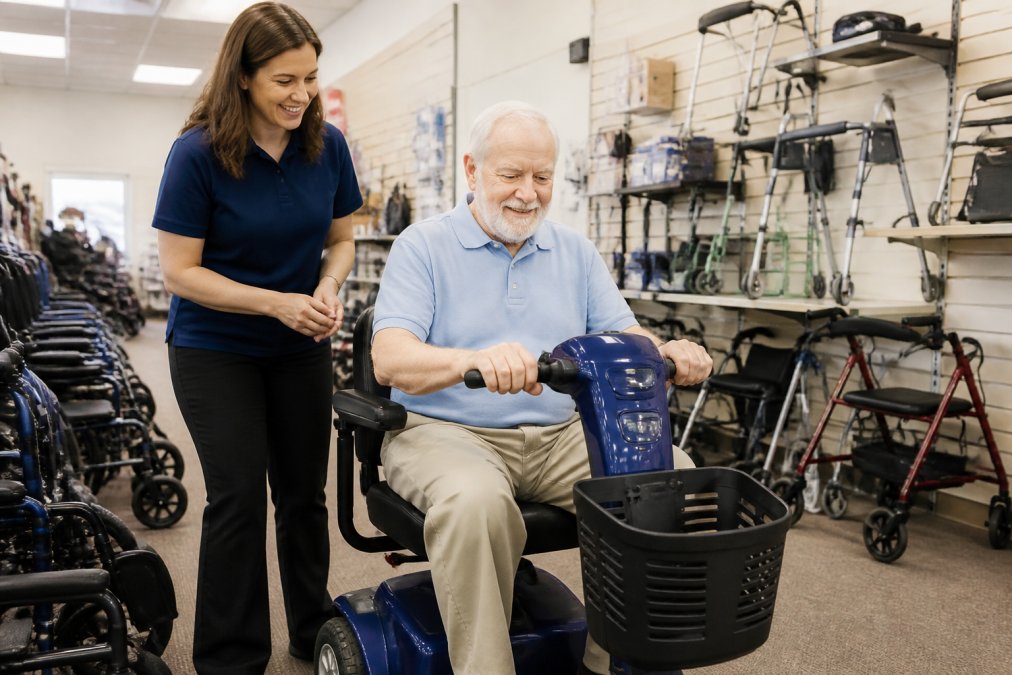
The biggest mistake people make with medical equipment is purchasing without testing. A mobility scooter that looks perfect in a showroom might not fit through your apartment doorway. A hospital bed might feel too firm or the controls might be confusing. A walker might be the wrong height for your frame.
Frequently Asked Questions
Where can I rent medical equipment in Tucson?
Medical equipment rental services in Tucson offer durable medical equipment through local showrooms and delivery networks. Many providers maintain on-site inventory of mobility aids, hospital beds, respiratory equipment, and daily living aids. Contact local medical supply companies directly to discuss your specific needs, rental duration, and whether delivery and installation services are available. Ask about their in-home assessment process to ensure equipment fits your space and lifestyle.
Is medical equipment rental covered by Medicare or insurance?
Medicare Part B covers certain durable medical equipment rentals when prescribed by a physician, including hospital beds, oxygen equipment, and mobility devices. Coverage depends on medical necessity and specific equipment type. Private insurance plans vary in their coverage policies. Contact your insurance provider or medical supply company to verify coverage for your specific equipment and rental duration. Many providers assist with insurance verification and billing paperwork.
What’s the difference between short-term medical equipment rental and long-term lease?
Short-term medical equipment rental typically spans days to a few months, ideal for post-surgery recovery or temporary mobility needs. Long-term leases extend beyond several months, often more cost-effective for ongoing conditions. Short-term rentals offer flexibility without long-term commitment, while long-term options may include maintenance and adjustment services. Discuss your timeline and expected needs with the rental company to determine which option fits your situation and budget.
How do I know which medical equipment I actually need?
A qualified assessment by medical supply staff or your healthcare provider determines your equipment needs based on your specific condition, mobility level, home layout, and daily activities. Many providers offer in-home consultations or showroom visits to evaluate your space and test equipment. Be specific about your limitations and concerns, whether it’s grip strength, doorway width, or daily routines. The try-before-you-buy approach lets you confirm equipment works for your actual situation before committing to a rental.